What was achieved in SpongeBoost’s second year: Highlights from our Annual Meeting 2026
The SpongeBoost consortium convened for its second Annual General Meeting, a five-day event dedicated to reviewing progress, strengthening collaboration, and advancing the implementation of sponge measures and nature-based solutions across Europe.
Key achievements
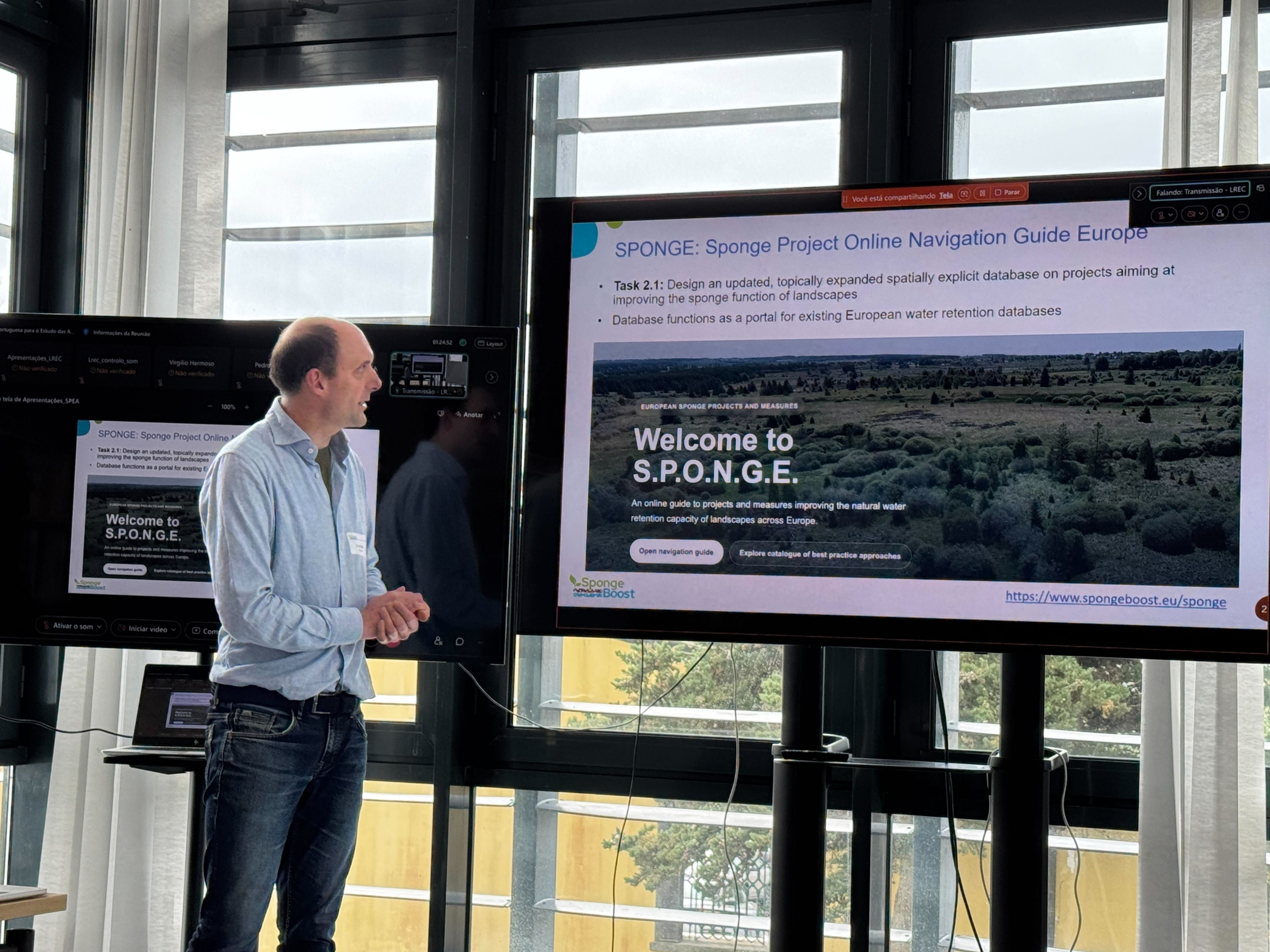
Among the key highlights of the meeting were several major achievements from the past year. The continued development of the S.P.O.N.G.E. platform was showcased, with the tool steadily evolving into a central hub for knowledge exchange and collaboration across the project.
An interactive Science Café created space for open discussion on key challenges and opportunities, with a particular focus on strengthening the link between scientific findings and policy development. Complementing these exchanges, partners also addressed the role of wetlands within EU policy frameworks, presenting a new joint policy brief developed in collaboration with SpongeScapes, SpongeWorks, MERLIN, and FutureLakes, which outlines practical steps to overcome existing barriers and support the implementation of the EU Water Resilience Strategy.
Scientific output was another major milestone, with eight research papers published in a Special Issue on wetlands in a changing climate in Pensoft Publishers’ open-access journal Nature Conservation. The issue represents a major international collaboration, bringing together 15 peer-reviewed articles authored by more than 100 researchers from 16 countries. It serves as an interdisciplinary resource for the urgent restoration of our coasts and floodplains.
In parallel, the project released a new edition of its comic book series, designed to communicate key concepts to wider audiences in an accessible format. The latest instalment follows the ongoing journey of its central character as he and his companions travel to Brussels, hoping to engage with EU decision-makers on the importance of sponge solutions, before their plans take an unexpected turn. The publication is available in both German and English on Zenodo and the SpongeBoost website.
Field visit to the Graminhais Plateau
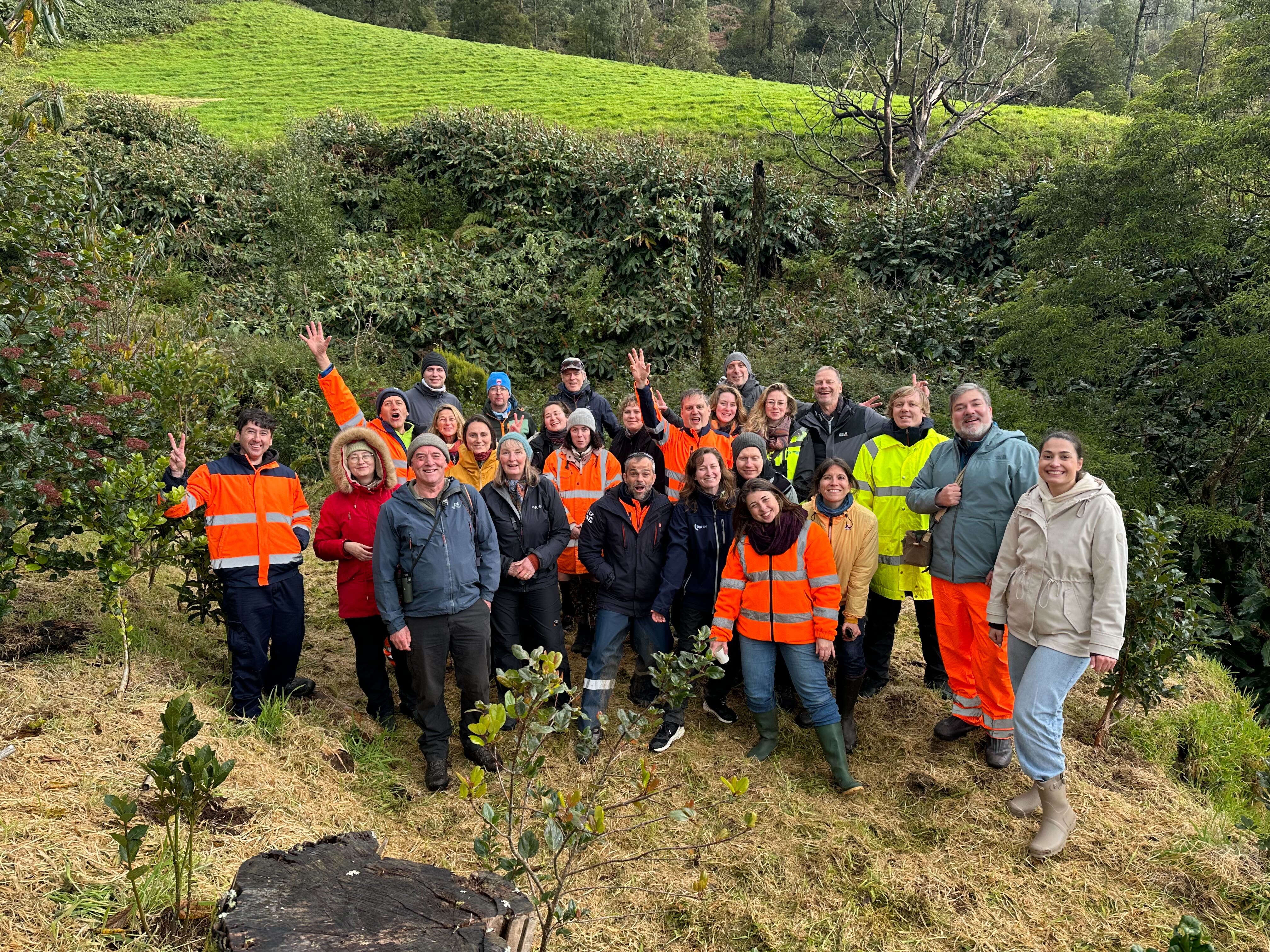
Partners provided updates on progress across the project’s case study sites, highlighting ongoing work and developments in different regions. The meeting also offered an opportunity to explore one of these sites firsthand, with participants visiting the Graminhais Plateau on São Miguel Island in the Azores.
Covering more than 100 hectares of peatlands, the area plays an important role in supporting biodiversity, regulating water systems, and enhancing ecosystem resilience. As part of the Natura 2000 network, it represents a unique habitat at the national level and provides a valuable setting for linking research with practical restoration and monitoring efforts.