Background
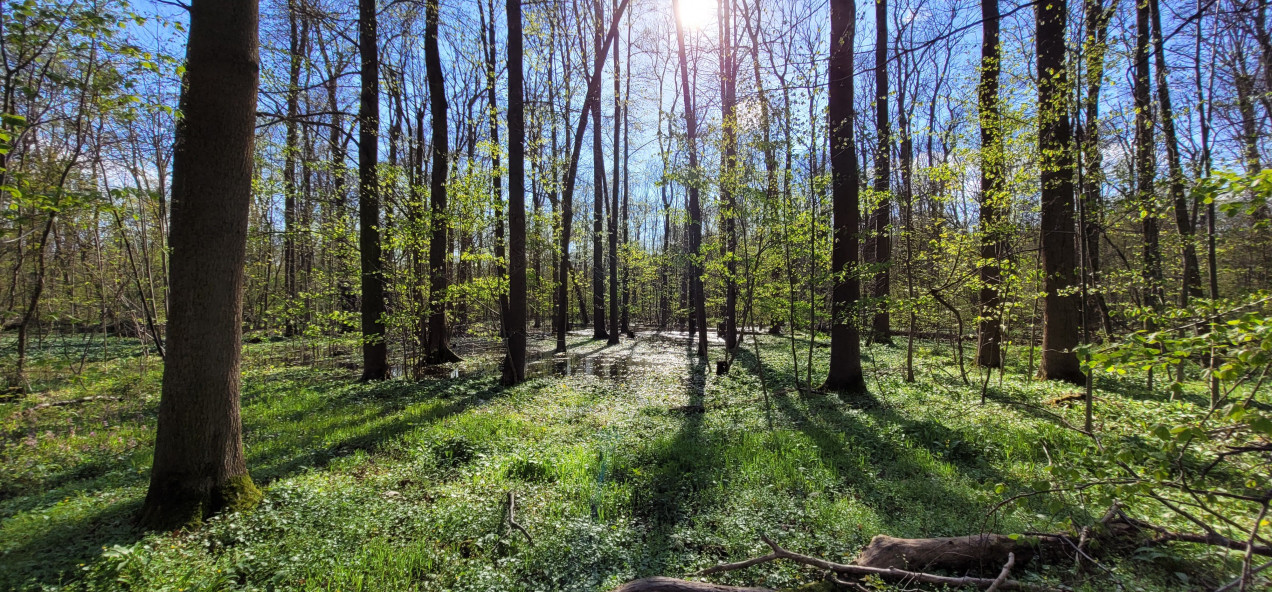
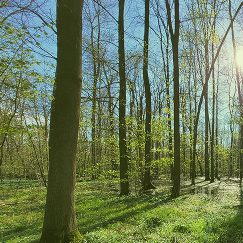
The Leipzig floodplain forest is one of the largest continuous floodplain forests in Central Europe, located along the rivers White Elster, Pleiße, and Luppe in the city of Leipzig. It is characterised by high biodiversity and typical tree species such as oak, ash, and lime. However, its condition is threatened by the lack of natural flooding and human impact.
The Problem
The Leipzig floodplain forest is facing a decline in natural flooding due to river regulation and water management, which disrupts its ecosystem. This also reduces its natural sponge function, meaning it can no longer store and retain water effectively. As a result, tree species composition is changing, with important species like oak struggling to regenerate while less suitable species spread. Additionally, biodiversity, climate stability, and the forest's resilience are threatened by these changes, as well as by pests and diseases.
Restoration efforts
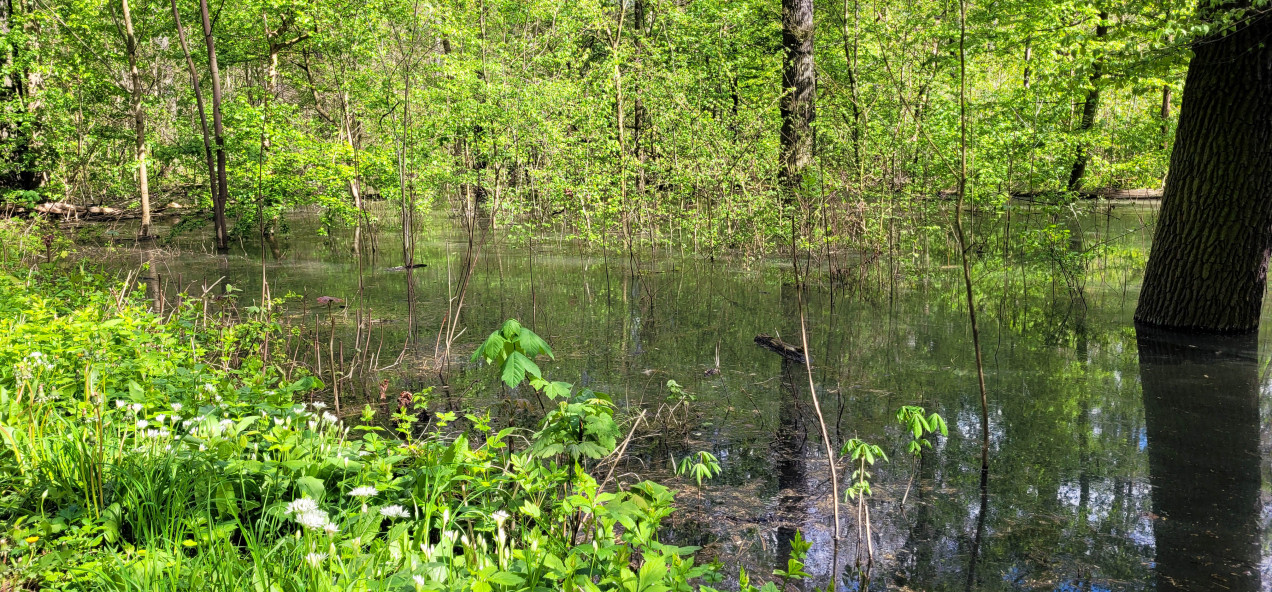
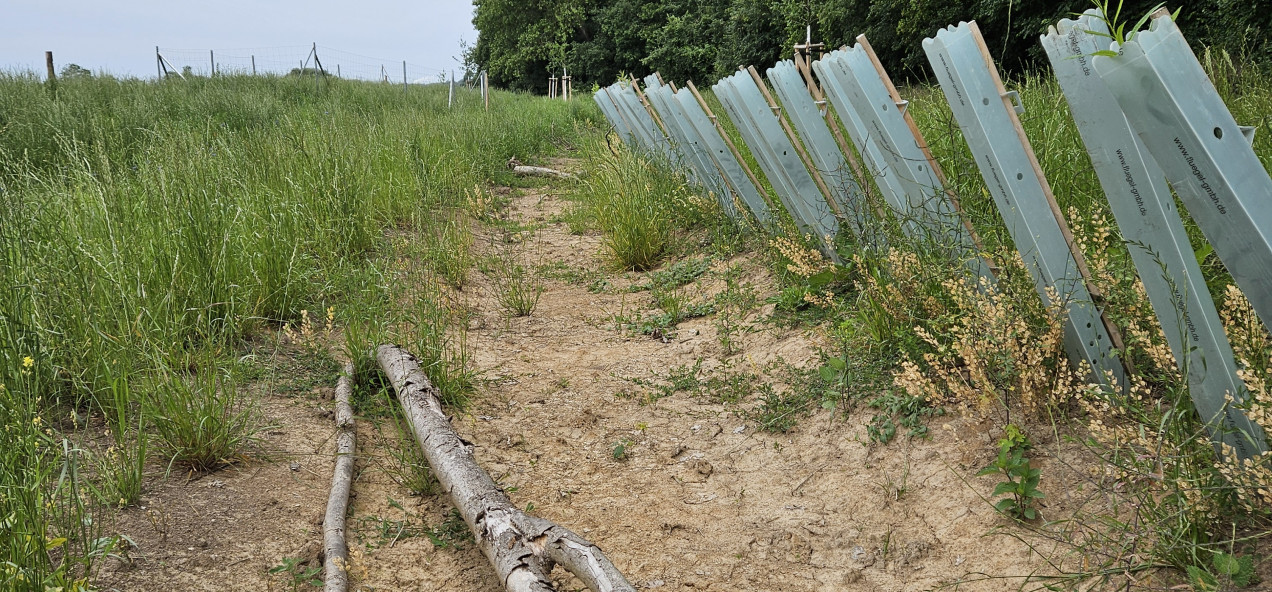
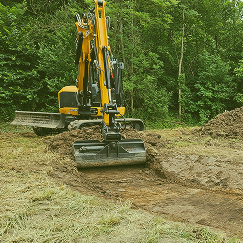
Various restoration efforts are being carried out to preserve the Leipzig floodplain forest, especially through projects like "Lebendige Luppe," which aim to restore natural water dynamics by reconnecting rivers and old channels. These measures help reintroduce periodic flooding, improve habitats, and support the regeneration of native tree species and biodiversity. SpongeBoost also contributes by generating evidence for these restoration processes, for example, through monitoring floodplain areas and measuring rising groundwater levels caused by the implemented measures. Additionally, species like the beaver support rewetting through their dam-building activities, although these processes are still at an early stage.
Quick Facts
- Country
- Germany
- Region
- Leipzig
- Name of the site
- Leipziger Auwald - Leipzig Floodplain Forest
- Type of Sponge territory
- Floodplain
- Primary water source
- Stream/surface water, groundwater, rainfall
- Partner
- Helmholtz Centre for Environmental Research (UFZ)
Gallery