Background
The Ebro River is well known for its historical floods. As a Mediterranean river, its flow regime is highly variable, with base flows of around 300 cubic meters per second and peaks of up to 3,000 during flood events. The middle section of the river flows through a flat valley surrounded by mountains and is highly urbanised, increasing the exposure of people and infrastructure to flood hazards.
The Problem
Over the past century, the river has lost around 50% of its natural space due to massive channelisation, embankments, levees, and the occupation of floodplains for farmland and infrastructure. Since the 1960s, further straightening and reinforcement have reduced the river's natural floodplain, worsening flood damage, particularly in areas such as Sotos de Alfaro. Major floods in 2015, 2018 and 2021 caused damages estimated at around €100 million per decade.
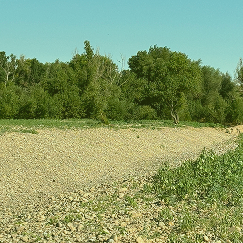
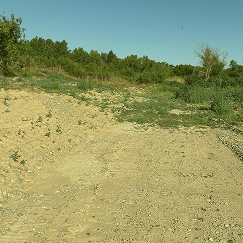
Restoration efforts
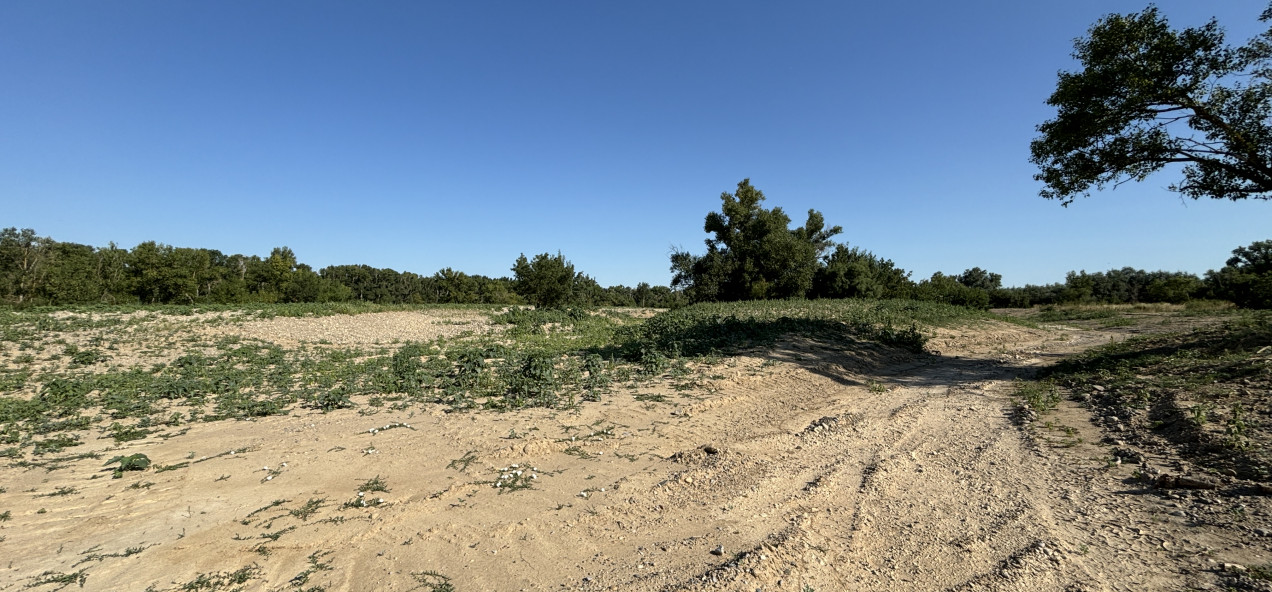
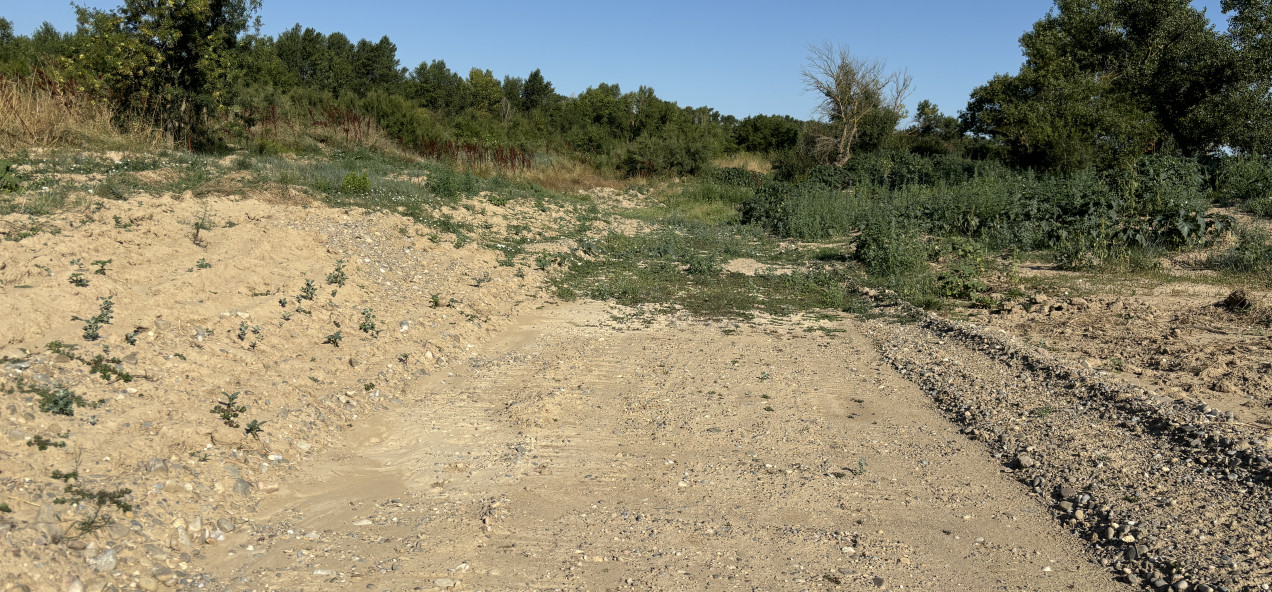
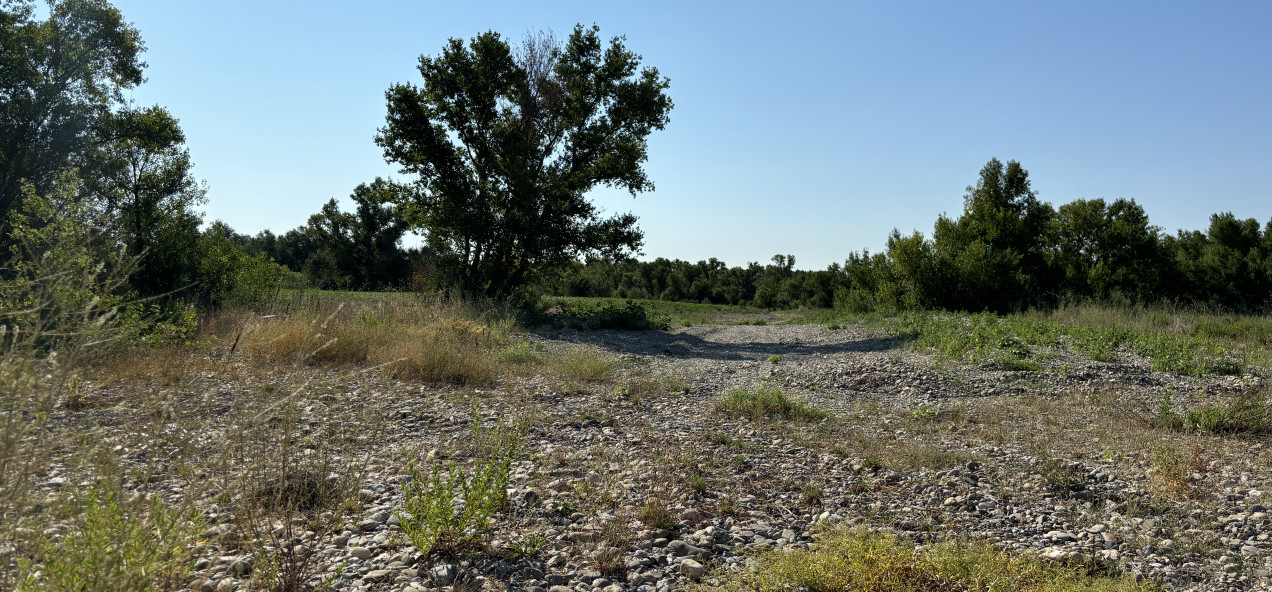
To address these challenges, the LIFE Ebro Resilience project is implementing restoration actions aligned with the Flood Risk Management Plan and the National Strategy for River Restoration. Measures include removing levees and protective dams, constructing relief channels, and applying the CURAGE technique to recover lost river branches, supported by intensive public participation with stakeholders and local communities. Building on these efforts, SpongeBoost quantifies the effects of these Nature-based Solutions (NbS) on flood risk reduction and groundwater recharge by assessing hydrological connectivity, measuring water infiltration and retention in restored and unrestored sites, and conducting surveys to evaluate the effectiveness of NbS and their potential application as a business model.
Quick Facts
- Country
- Spain
- Region
- Ebro River
- Name of the site
- Sotos de Alfaro
- Type of Sponge territory
- Floodplain
- Primary water source
- Rainfall
- Secondary water source
- Snowmelt
- Partner
- Iberian Center for River Restoration (CIREF)
Gallery