Background
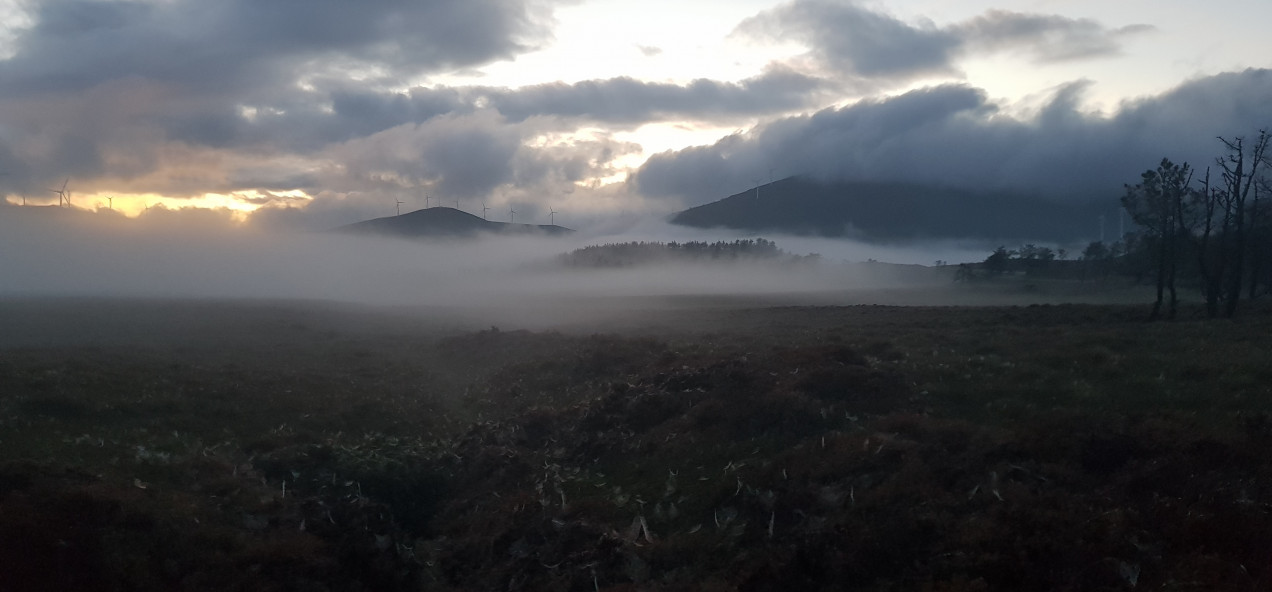
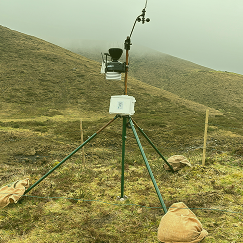
Serra do Xistral represents the southernmost continental peatland complex in Europe and is protected under the Natura 2000 Network. The importance of this area lies both in its hydrological function – since it forms the headwaters of many regional rivers – and in its ecological value, as it hosts distinctive habitats such as blanket bogs, clearly illustrating their role as sponge landscapes. What makes these peatlands particularly unique, however, is their primary water source: fog, where fog input can reach up to 16,000 mm annually due to orographic uplift and fog interception.
The Problem
For many years, this habitat remained understudied and poorly known, largely because it was perceived as having limited economic value. Today, these peatlands face increasing pressure from wind turbine installations. Although measures are being implemented to prevent further development and mitigate potential impacts, continued research and coordinated management remain essential.
Restoration efforts
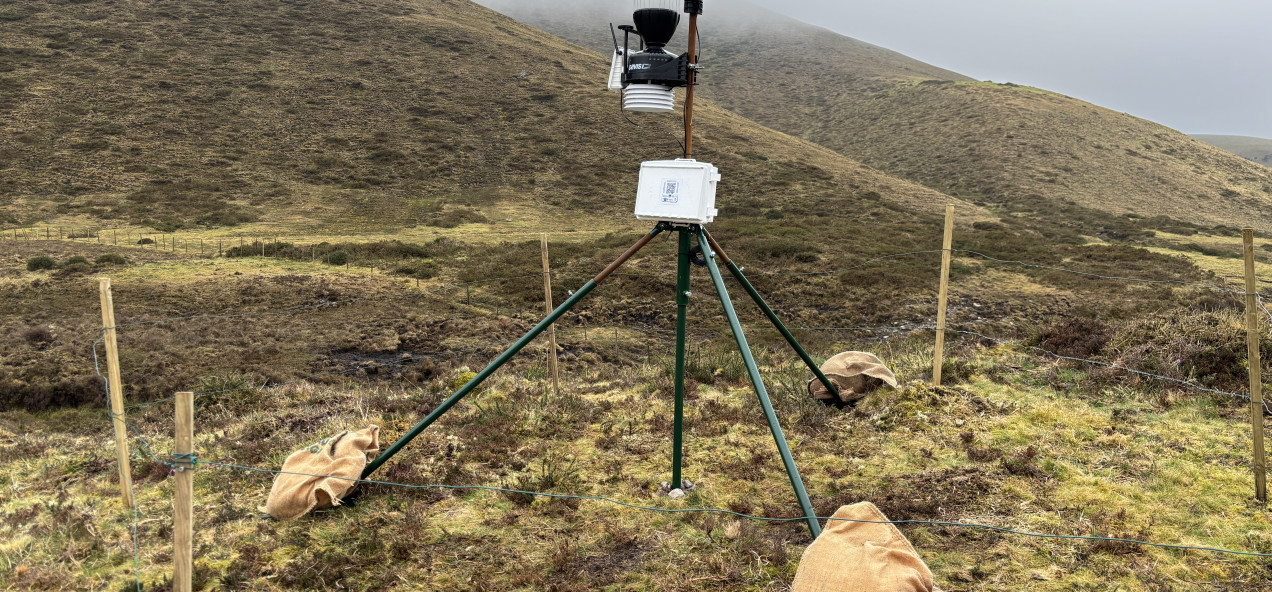
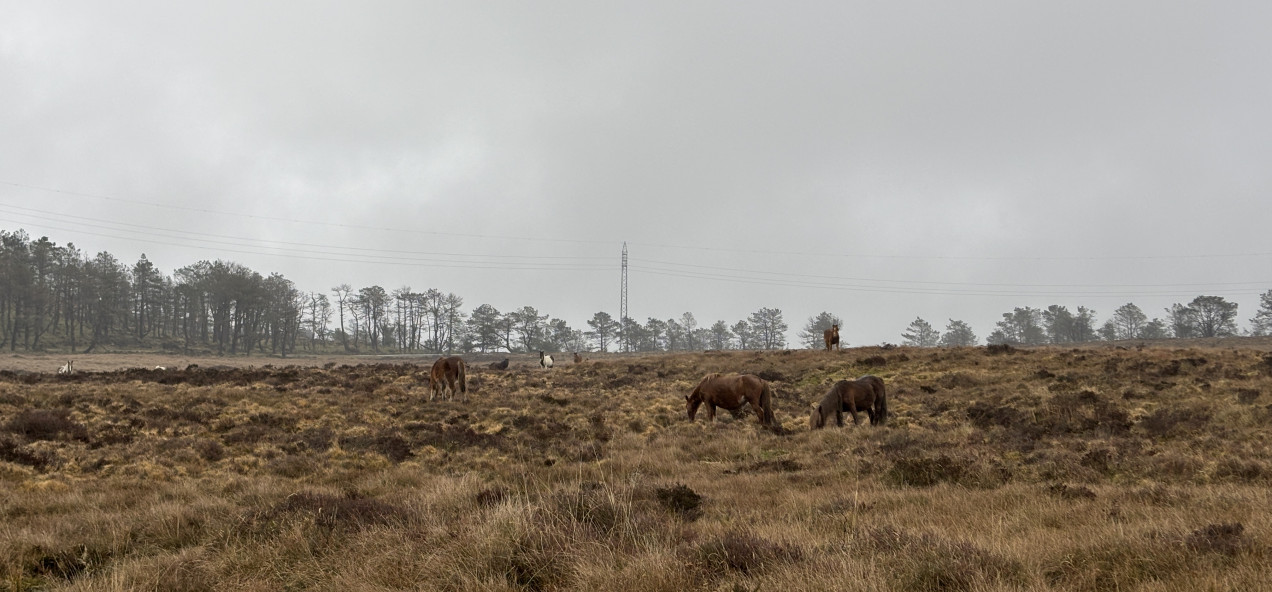
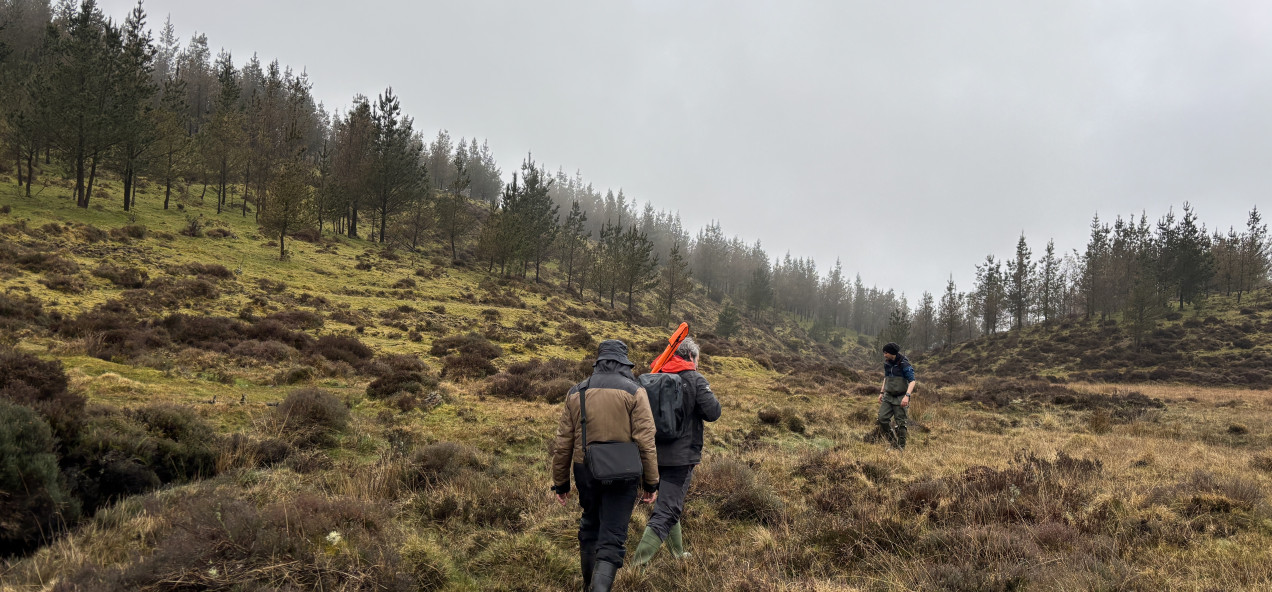
More recent and substantial research efforts have enabled a systematic inventory and classification of the area, laying the foundation for effective conservation and management strategies. From a scientific perspective, the area is especially valuable because it includes both well-preserved and degraded peatlands, providing an ideal setting to study and test different conservation approaches. Within SpongeBoost, research on these peatlands aims to support the creation of a sustainable management plan in close collaboration with local stakeholders.
Quick Facts
- Country
- Spain
- Region
- Galicia
- Name of the site
- Serra do Xistral Peatlands
- Type of Sponge territory
- Peatland
- Primary water source
- Fog and rainfall
- Partner
- Iberian Center for River Restoration (CIREF)
Gallery