Background
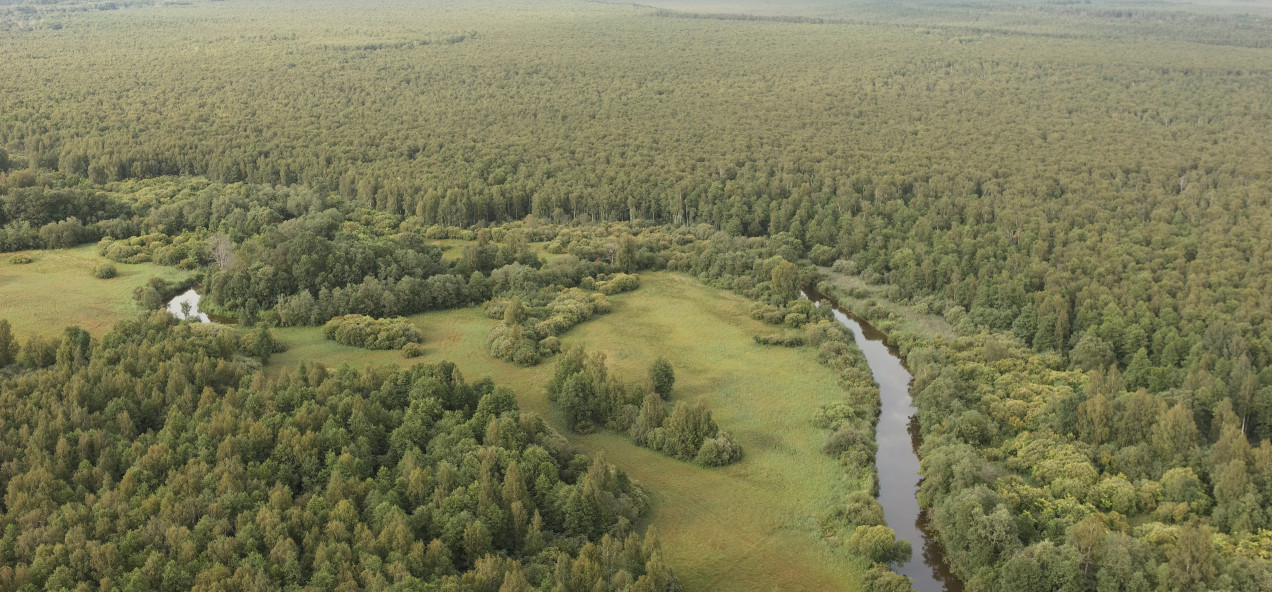
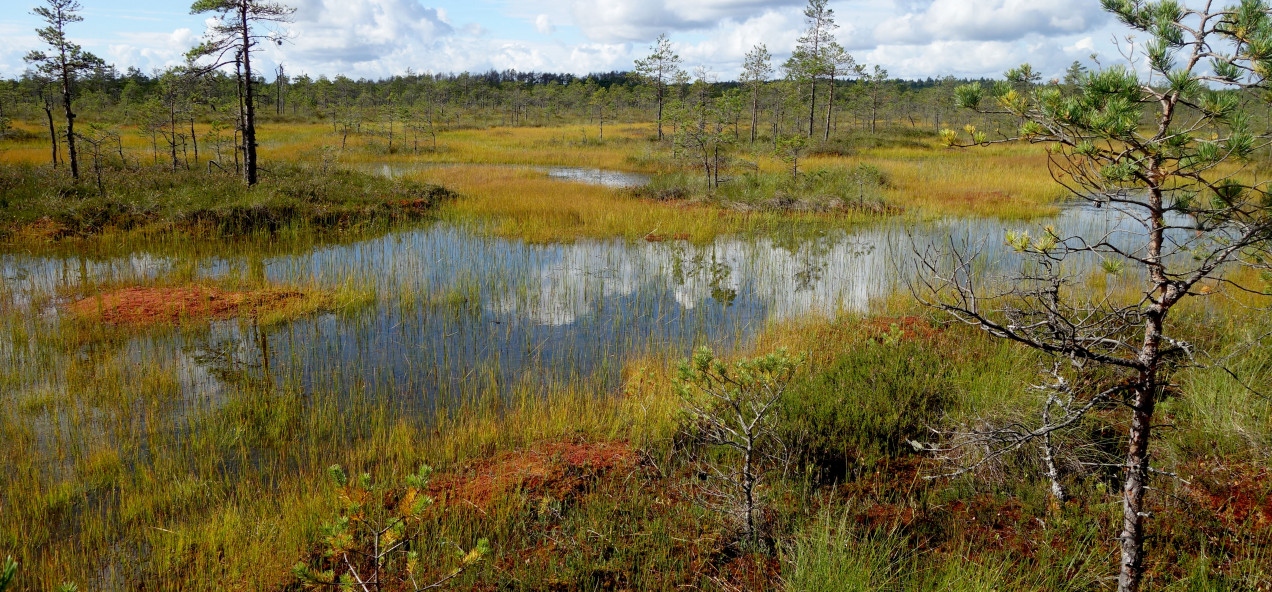
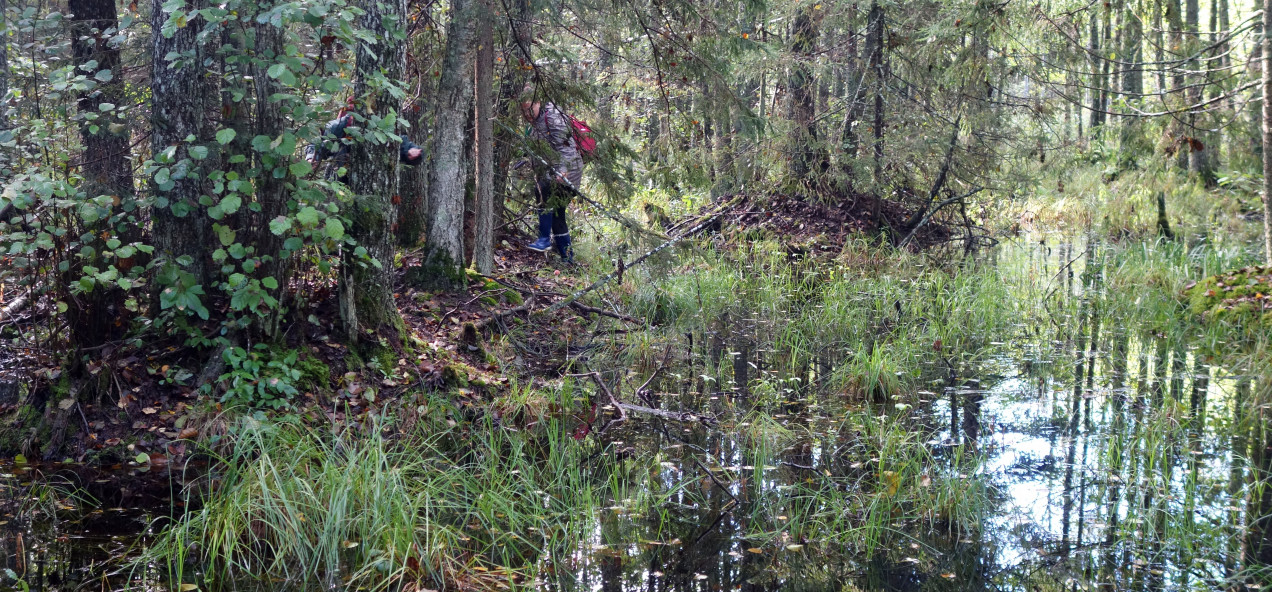
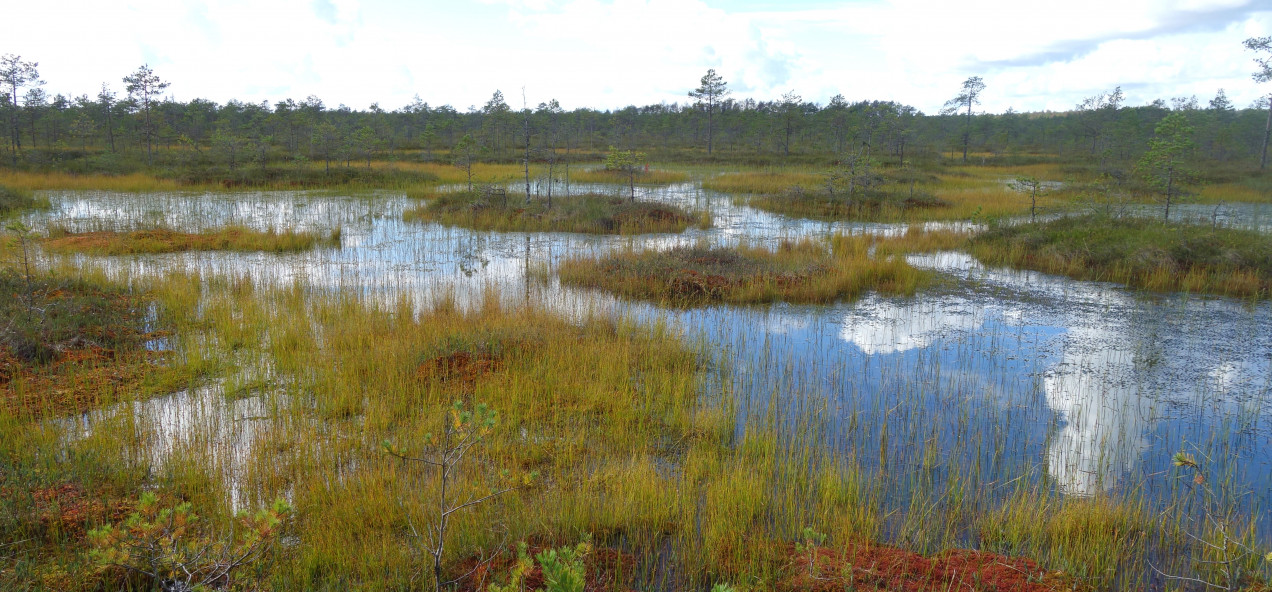
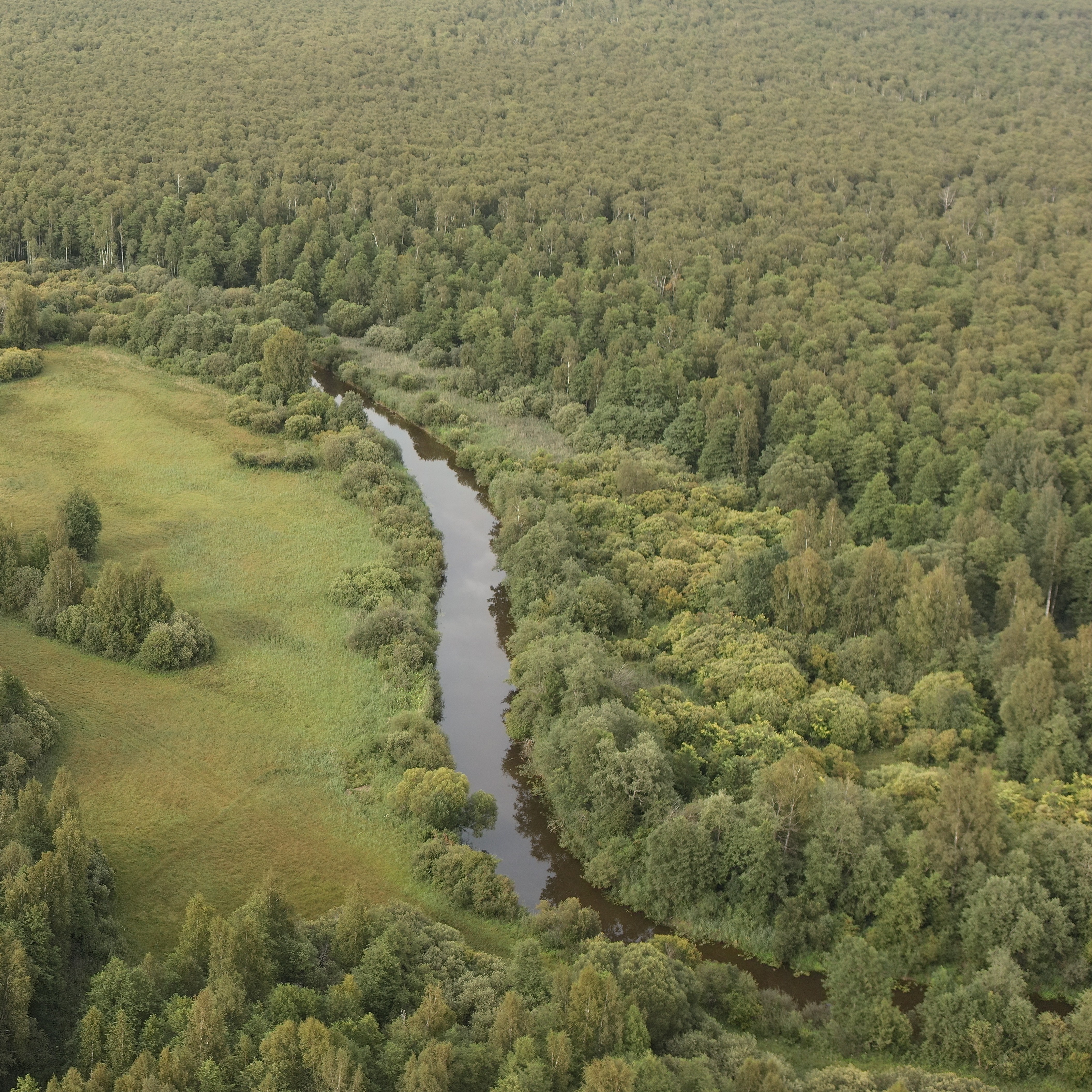
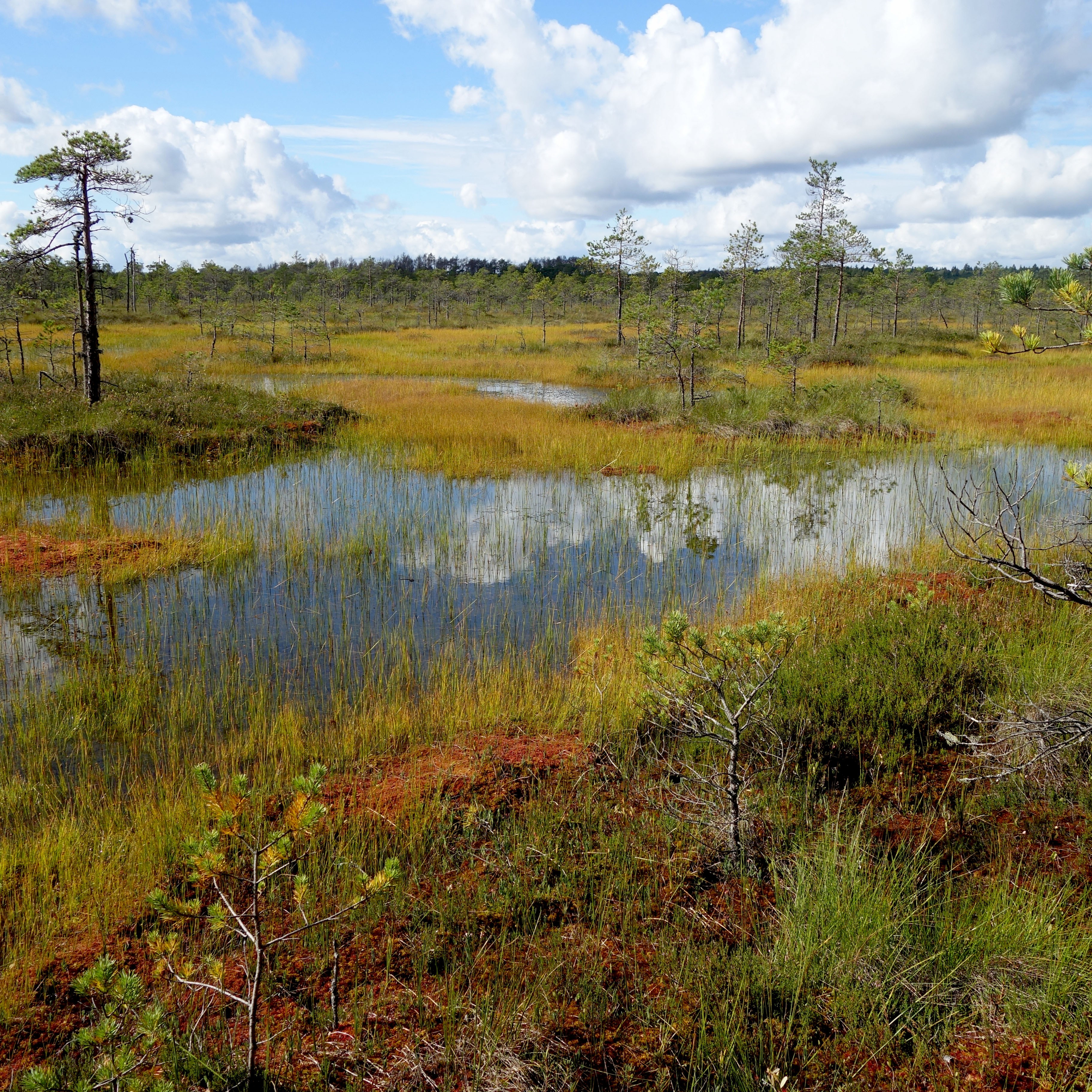
Alam-Pedja Nature Reserve is one of the largest protected areas in Estonia. The core of the reserve forms one of the most important floodplain systems in the country, including the Emajõgi River and its tributaries, the latter being among the most flood-prone river systems in Estonia. The middle course of the Emajõgi River flows through the city of Tartu, which is considered to be within a flood-risk zone. The floodplain and surrounding protected area contain numerous wetlands, a large proportion of which consist of peatlands.
The Problem
The main issues facing Alam-Pedja Nature Reserve are related to altered hydrological conditions, climate variability, and land-use pressures in the wider catchment. Although the area still preserves large natural floodplains, historical upstream drainage and land-use changes influence water movement and may affect the natural flood retention capacity of the system. In addition, increasing climate variability is expected to alter flood timing, low-flow periods, and seasonal water storage. Because the reserve is closely connected to the Emajõgi River system, these changes are also relevant for downstream flood risk, including in Tartu. An equally important issue historically has been the preservation of biodiversity, as the area contains valuable floodplain meadows, wet forests, and peatland habitats that depend on natural hydrological dynamics.
Restoration efforts
To preserve Alam-Pedja Nature Reserve, the main focus has been on maintaining natural flooding, restoring wetland hydrology, and preserving floodplain habitats that are important for biodiversity. A major effort has been directed toward floodplain meadows, where regular mowing and grazing have been reintroduced to prevent overgrowth and maintain habitats for protected bird species and meadow communities. These activities have mainly been coordinated by the Estonian Environmental Board and supported through national conservation funding and EU agri-environmental measures.
Within the LIFE Happyriver project, the lower course of the Laeva River, which is part of the Alam-Pedja hydrological system, was restored by reopening former river sections and improving adjacent floodplain meadows, thereby enhancing habitat quality and hydrological functioning of the floodplain.
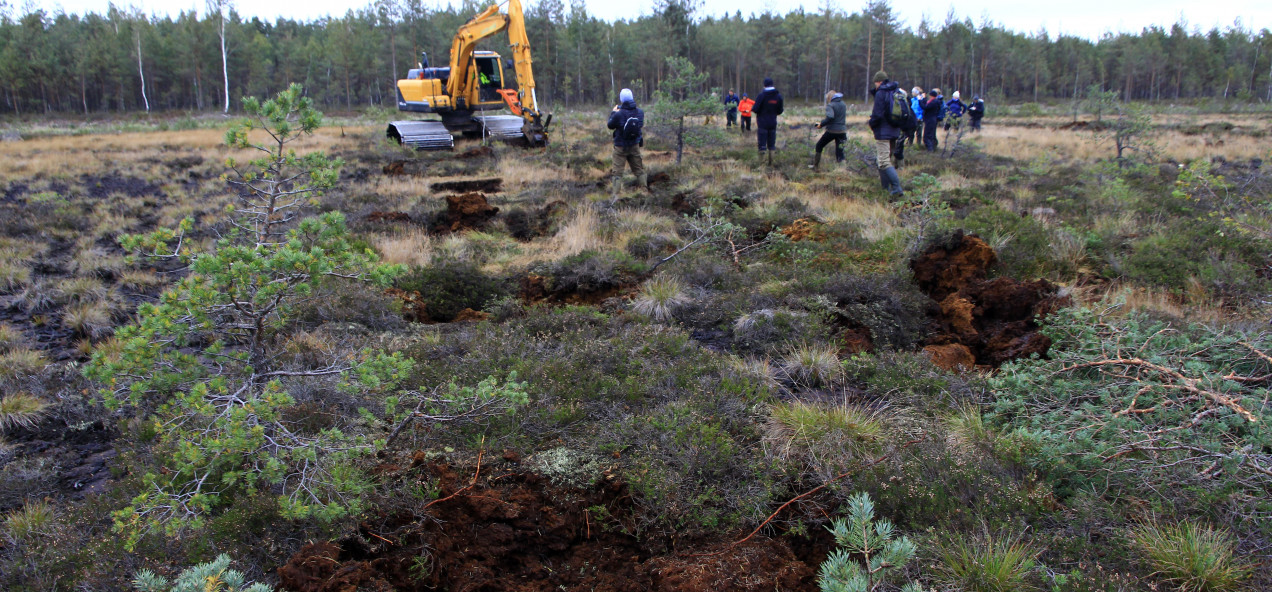
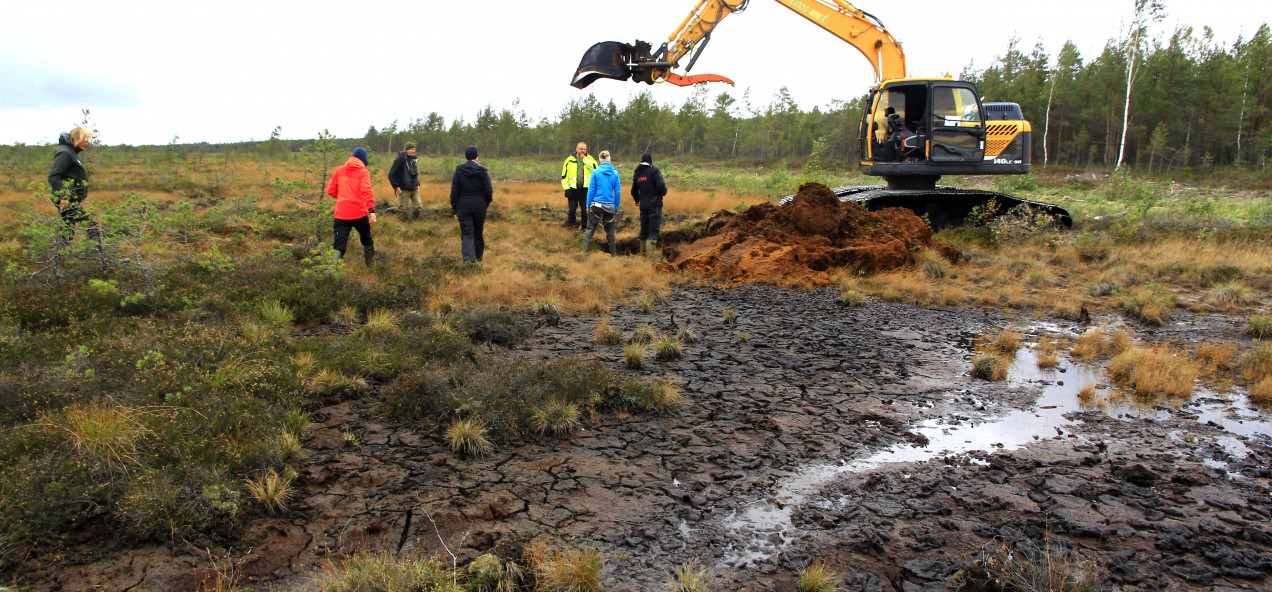
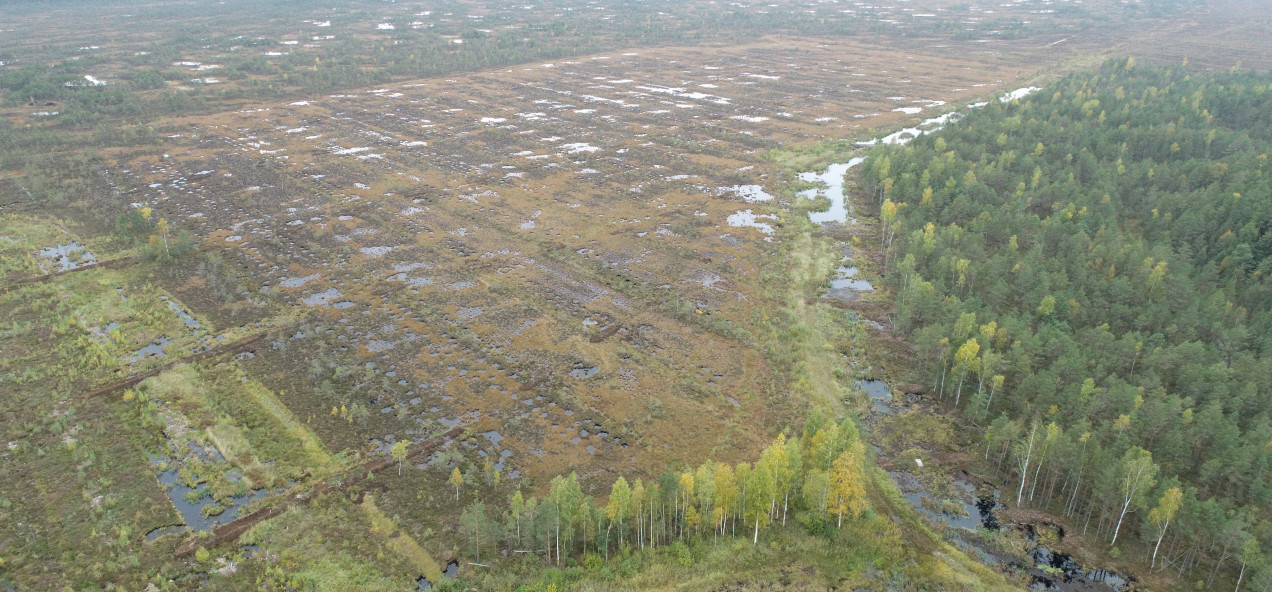
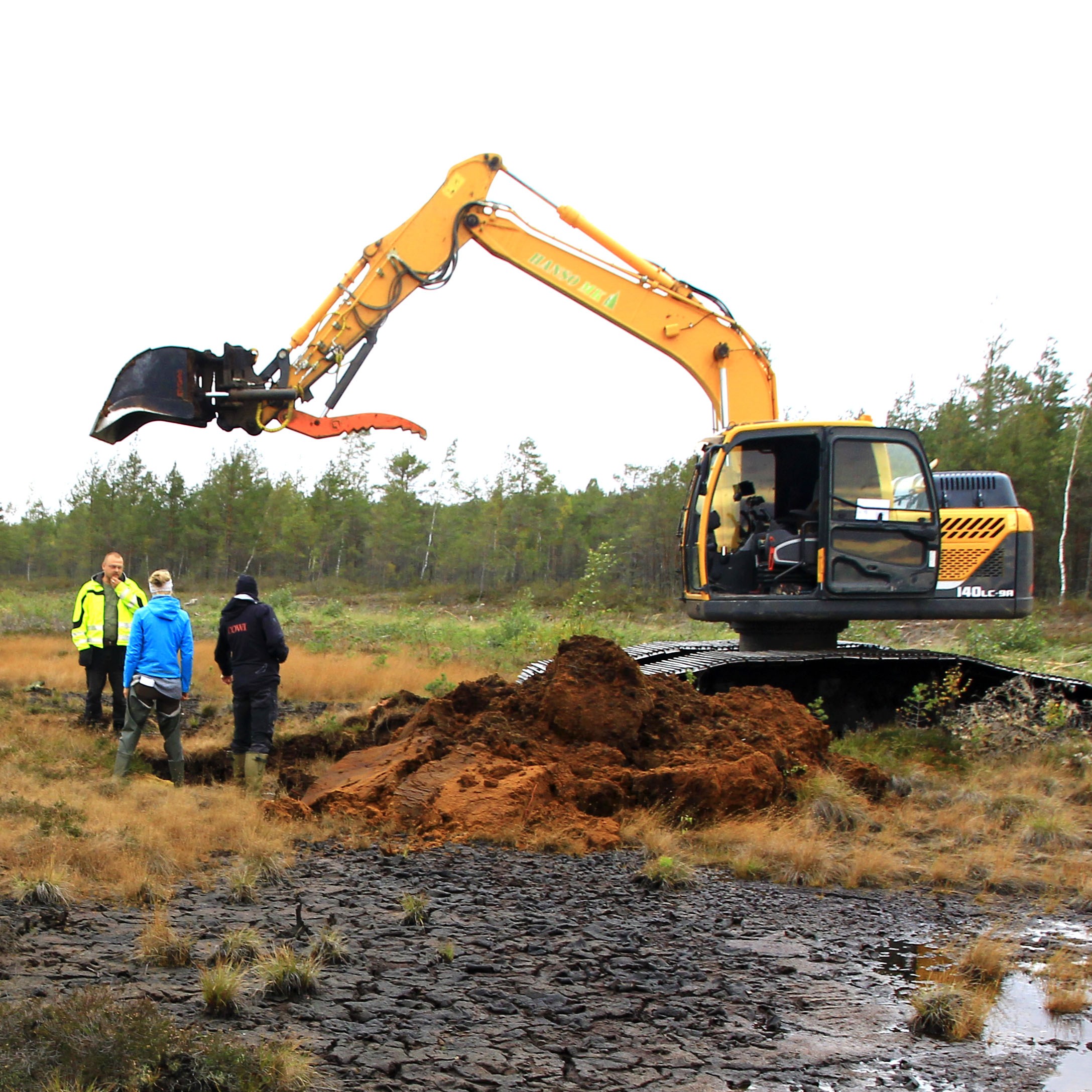
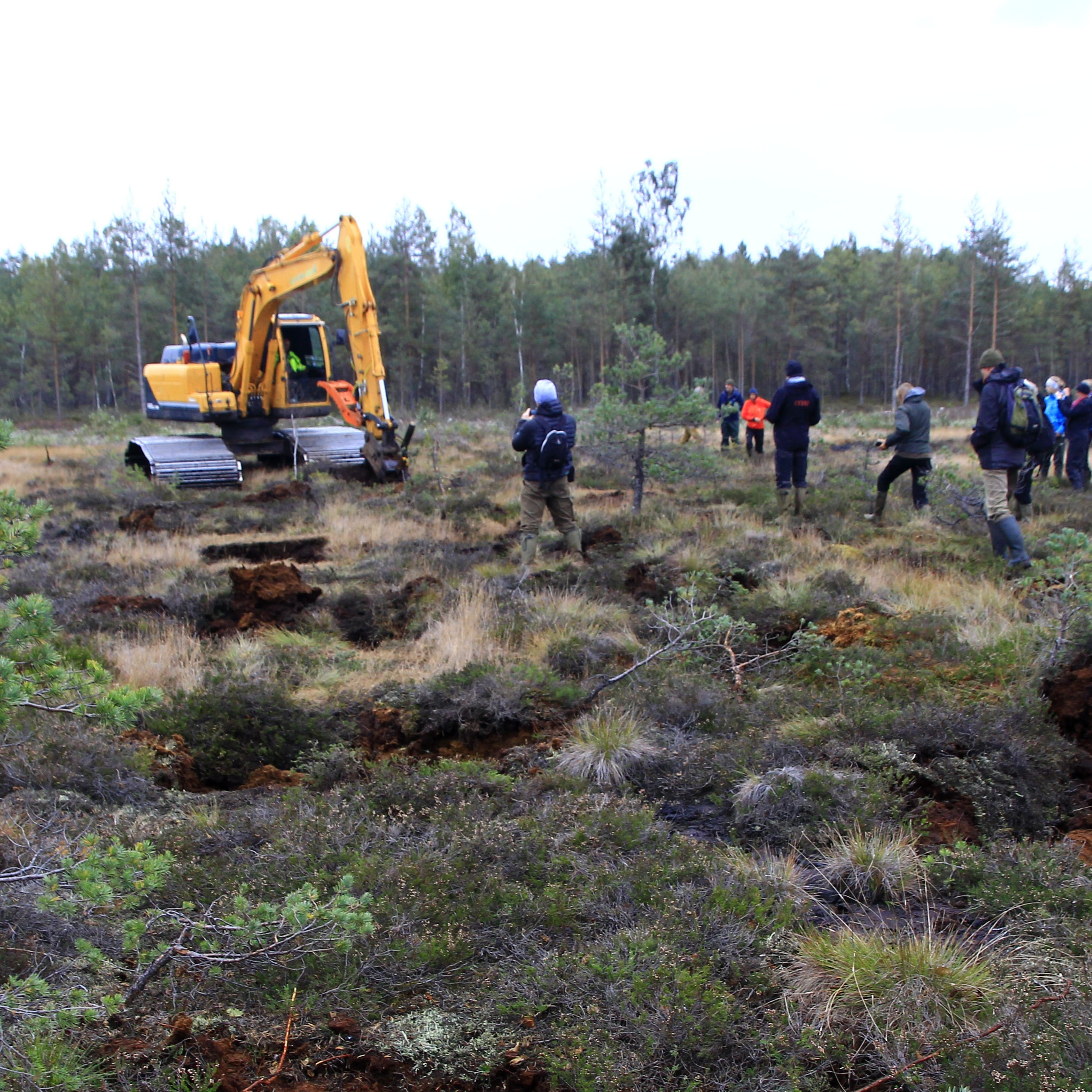
Peatland restoration within and near the reserve has also been carried out by blocking drainage ditches and rewetting degraded areas, mainly using EU LIFE and Cohesion Fund funding and Estonian state co-financing. Several additional restoration initiatives are ongoing, as floodplain–peatland systems and wet forests within the reserve are targeted under the LIFE IP ForEst&FarmLand and LIFE-SIP AdaptEST projects.
The objective of SpongeBoost in this context is to analyse how floodplains, wetlands, and peatlands regulate water under current and future climate conditions, and to evaluate which land-use or restoration scenarios in the still-drained upper catchments of the major rivers could strengthen natural water retention while simultaneously supporting biodiversity and flood resilience.
Quick Facts
- Country
- Estonia
- Region
- Alam-Pedja Nature Reserve
- Name of the site
- Alam-Pedja
- Type of Sponge territory
- Combination of different peatlands and a floodplain of the river Emajõgi
- Primary water source
- Rainfall
- Partner
- University of Tartu
Gallery